How India’s “Old Economy” Giants Found Their Second Youth
For nearly two decades, if you wanted to bore an investor to tears, you talked about Indian commodity PSUs.
Companies like Hindustan Copper (HCL), NALCO, and the formerly-PSU Hindustan Zinc (HZL) were the “wallflowers” of the Dalal Street ballroom. They were perceived as cyclical, inefficient, and tethered to the whims of global LME (London Metal Exchange) prices that refused to stay high for long. For years, their stock charts looked like flatlines, and their mines, some dating back to the British Raj, were seen as liabilities rather than assets.
But something fundamental has shifted.
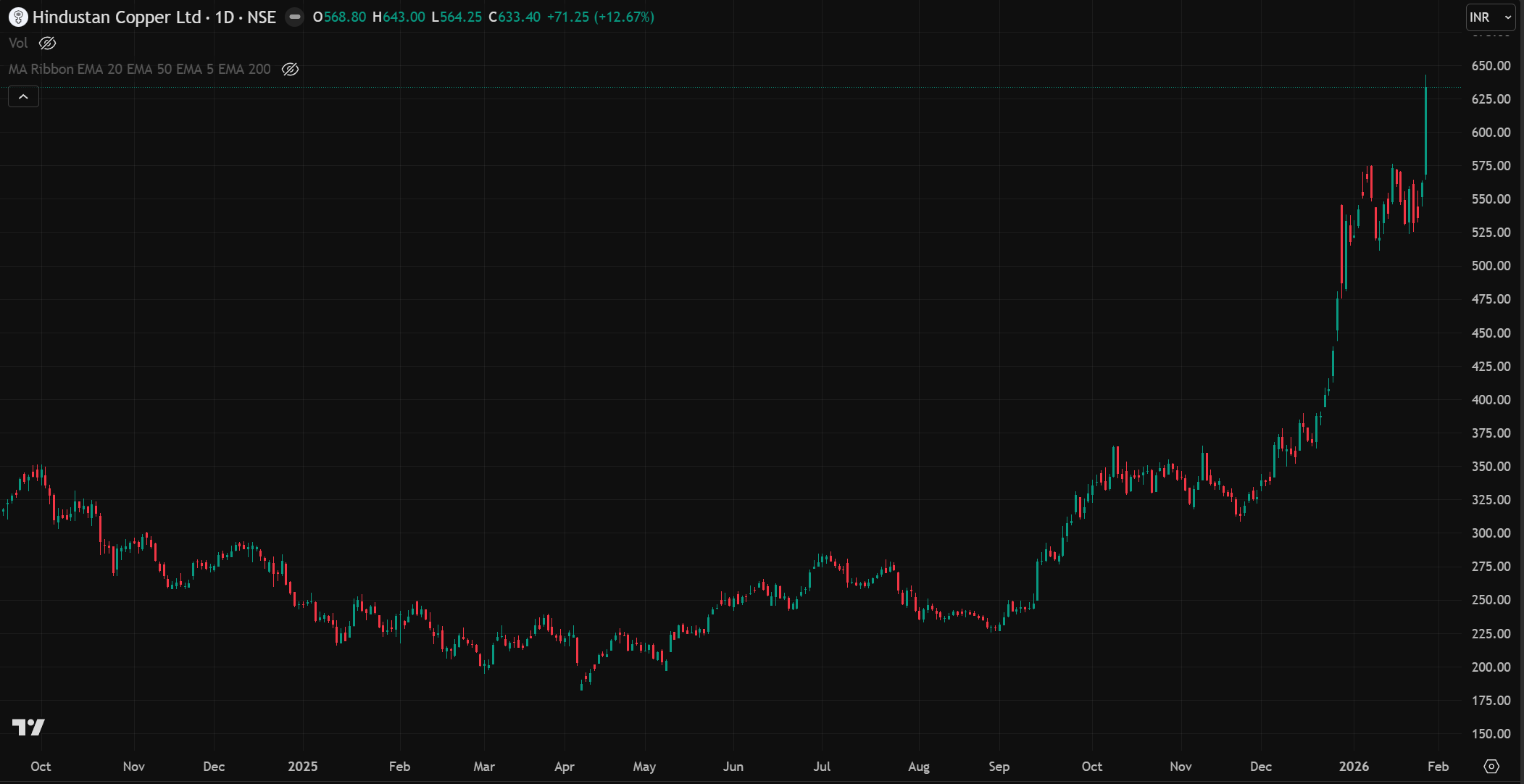
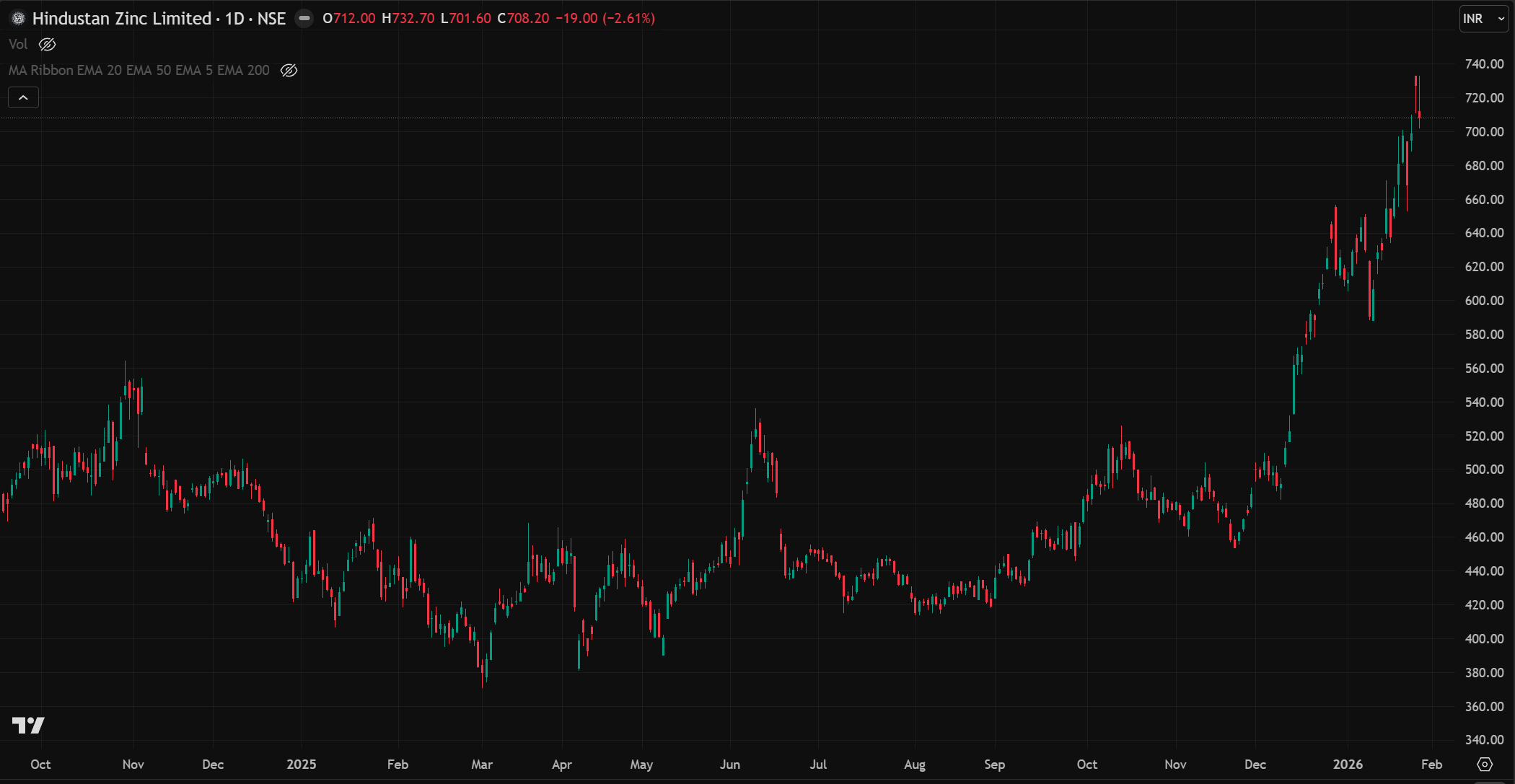
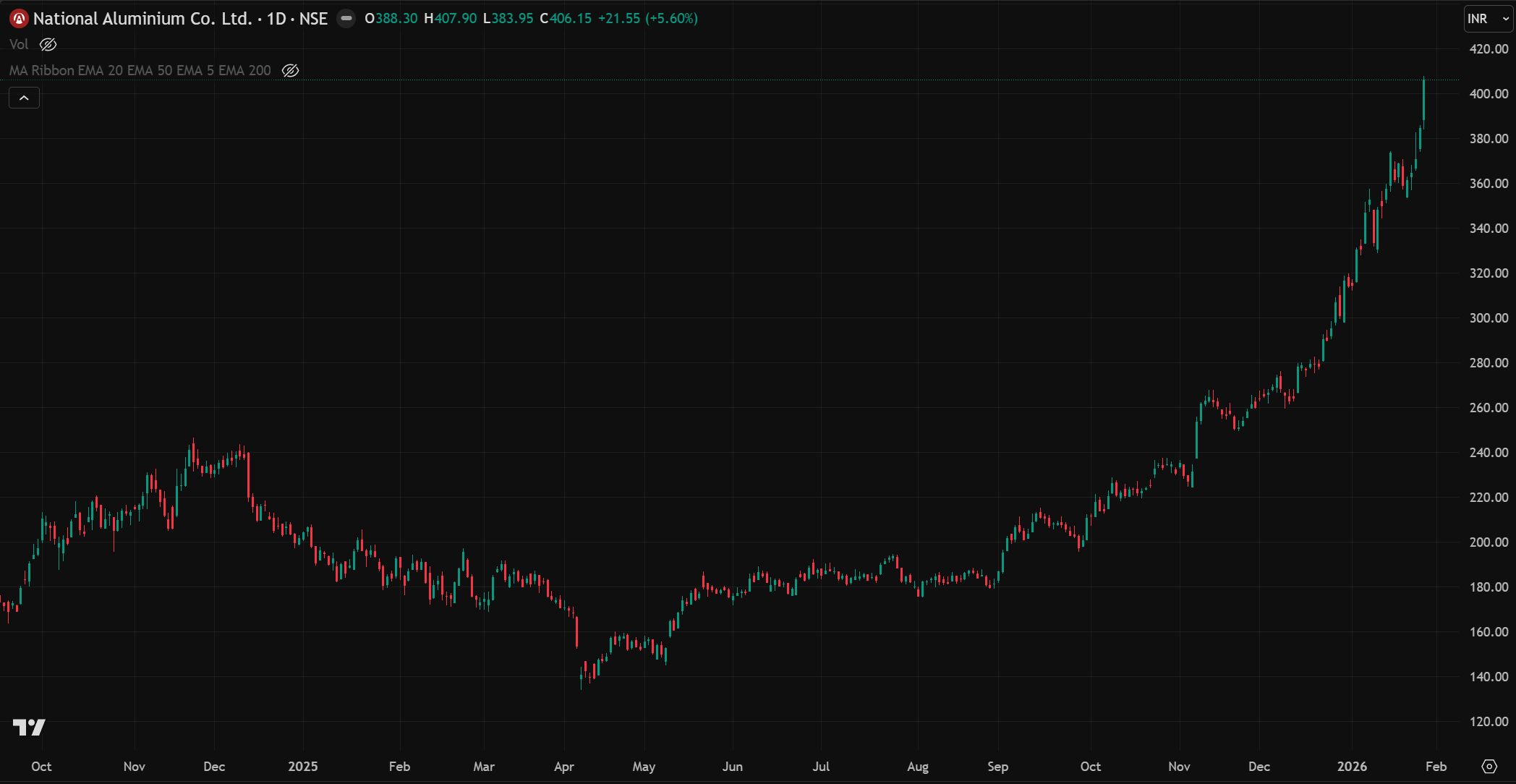
Over the last 12 months, these “dinosaurs” have started to sprint. Hindustan Copper has seen its stock price surge nearly 175% in a year; NALCO has more than doubled; and Hindustan Zinc, even with its high-dividend payout model, has given ~80%.
This isn’t just a speculative bubble. It is a story of strategic turnaround, the “silver-lining” of byproduct economics, and a global hunger for the metals that will power the 21st century.
1. Hindustan Copper: Dusting Off the Crown Jewels
For decades, Hindustan Copper was the “problem child.” Burdened by high operating costs and older mines, it often struggled to break even. When copper prices were low, it didn’t make financial sense to dig deeper. Many of its mines were essentially mothballed or operated at a fraction of their potential.
The Pivot: The “Copper Age” has returned with a vengeance. Copper is the “DNA of the energy transition.” You cannot build an Electric Vehicle (EV) without four times the copper of an internal combustion engine; you cannot build a data center for AI or a solar farm without miles of copper wiring.
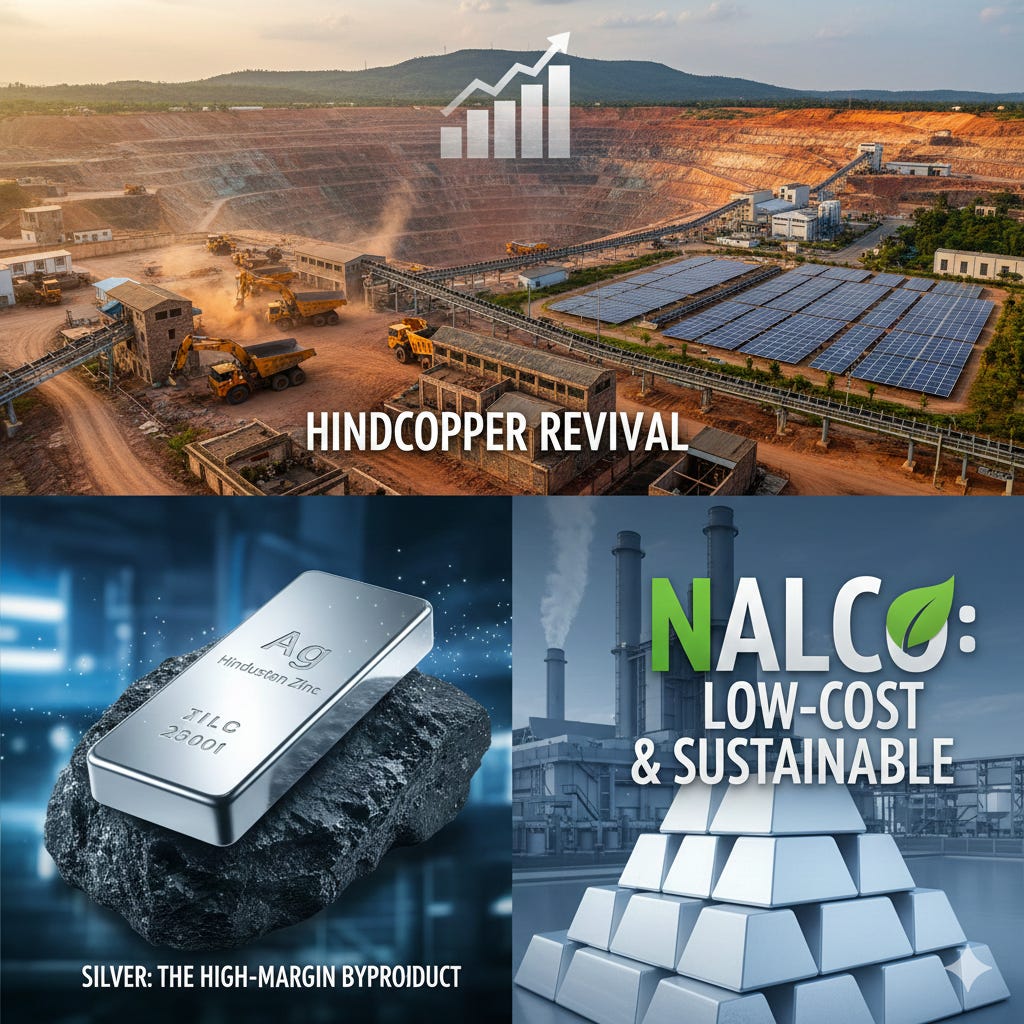
As global prices started soaring above $10,000 per tonne, the Indian government and HCL management realized that the “unviable” mines of yesterday were the “gold mines” of today. HCL is now in the midst of a massive structural revival, aiming to increase ore production from 4 million tonnes to 12 million tonnes per annum.
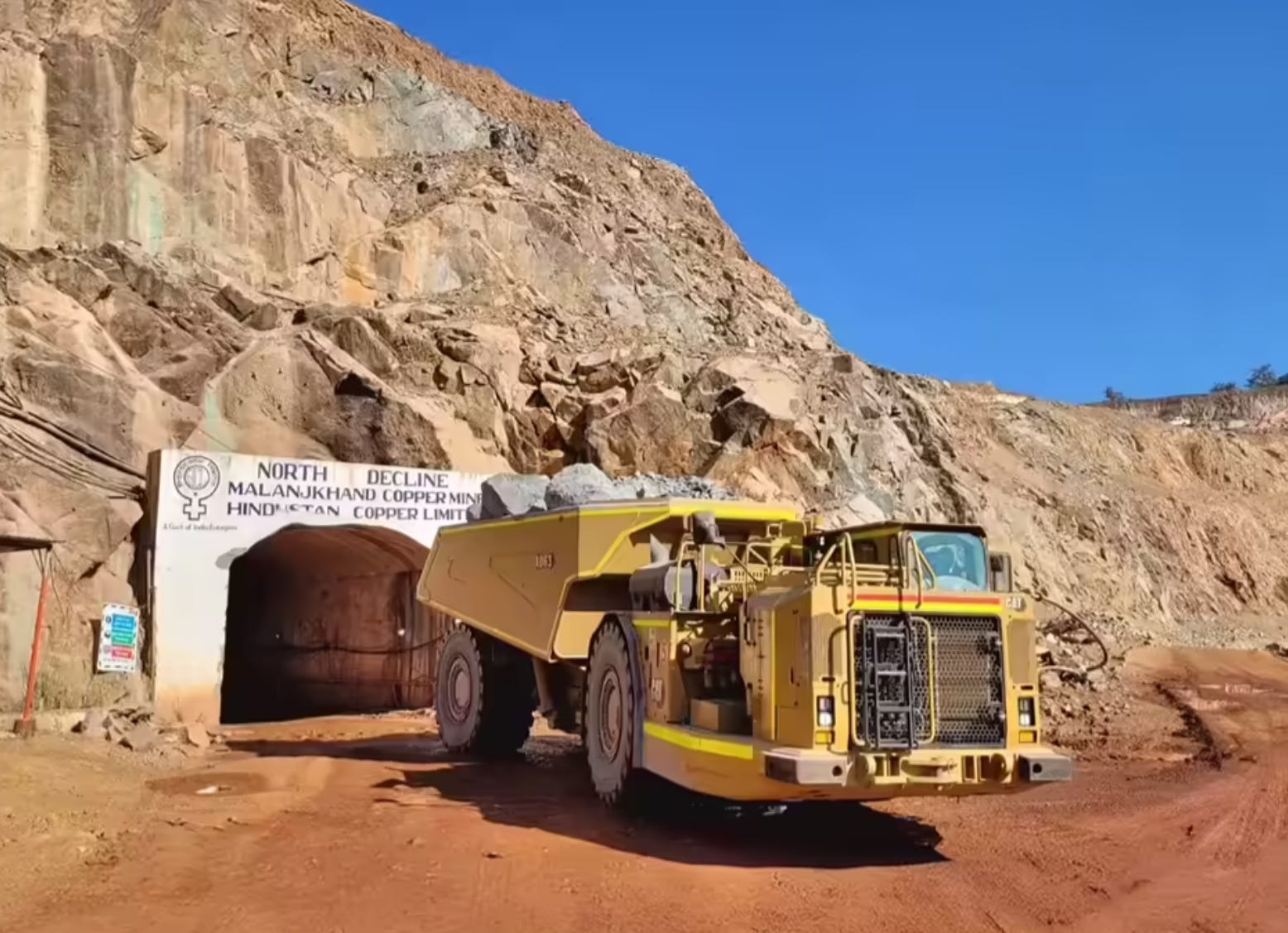
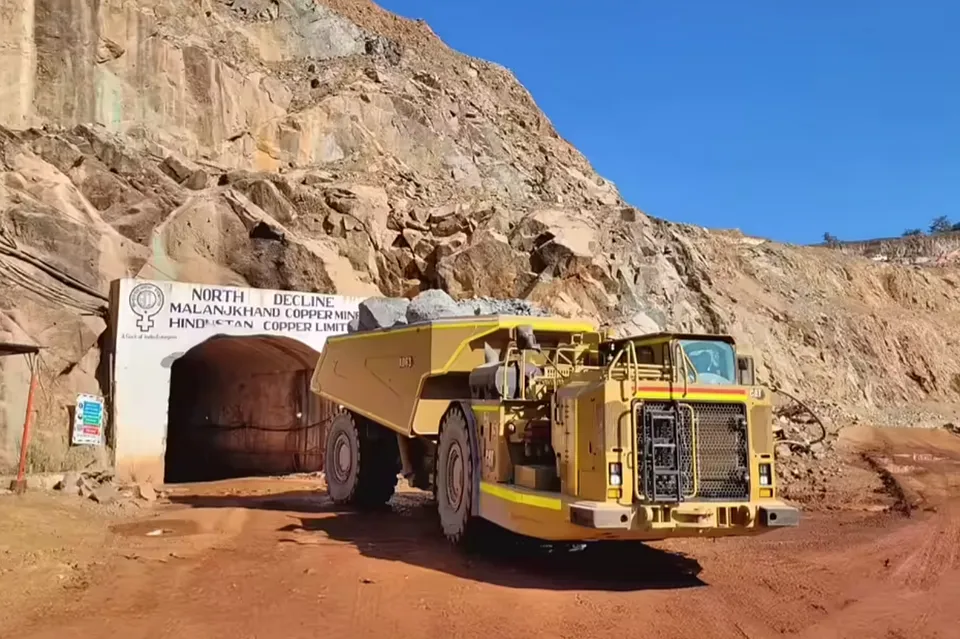
The company is reviving the Malanjkhand Copper Project in Madhya Pradesh and expanding the Khetri mines in Rajasthan. These aren’t just incremental changes; HCL is moving from being a struggling miner to a strategic national asset. In a world where “resource nationalism” is rising, HCL is India’s only vertically integrated copper producer. The market is finally pricing in the fact that HCL sits on 100% of India’s copper ore reserves – a moat that no private player can easily cross.
2. Hindustan Zinc: The Silver Alchemy
If HCL is a story of revival, Hindustan Zinc (HZL) is a story of hidden value. While HZL was privatized two decades ago (now a subsidiary of Vedanta), it shares the same lineage as the other metal giants. Historically, HZL was viewed purely as a Zinc and Lead play. Zinc was for galvanizing steel; Lead was for batteries. Boring, industrial, and low-margin.
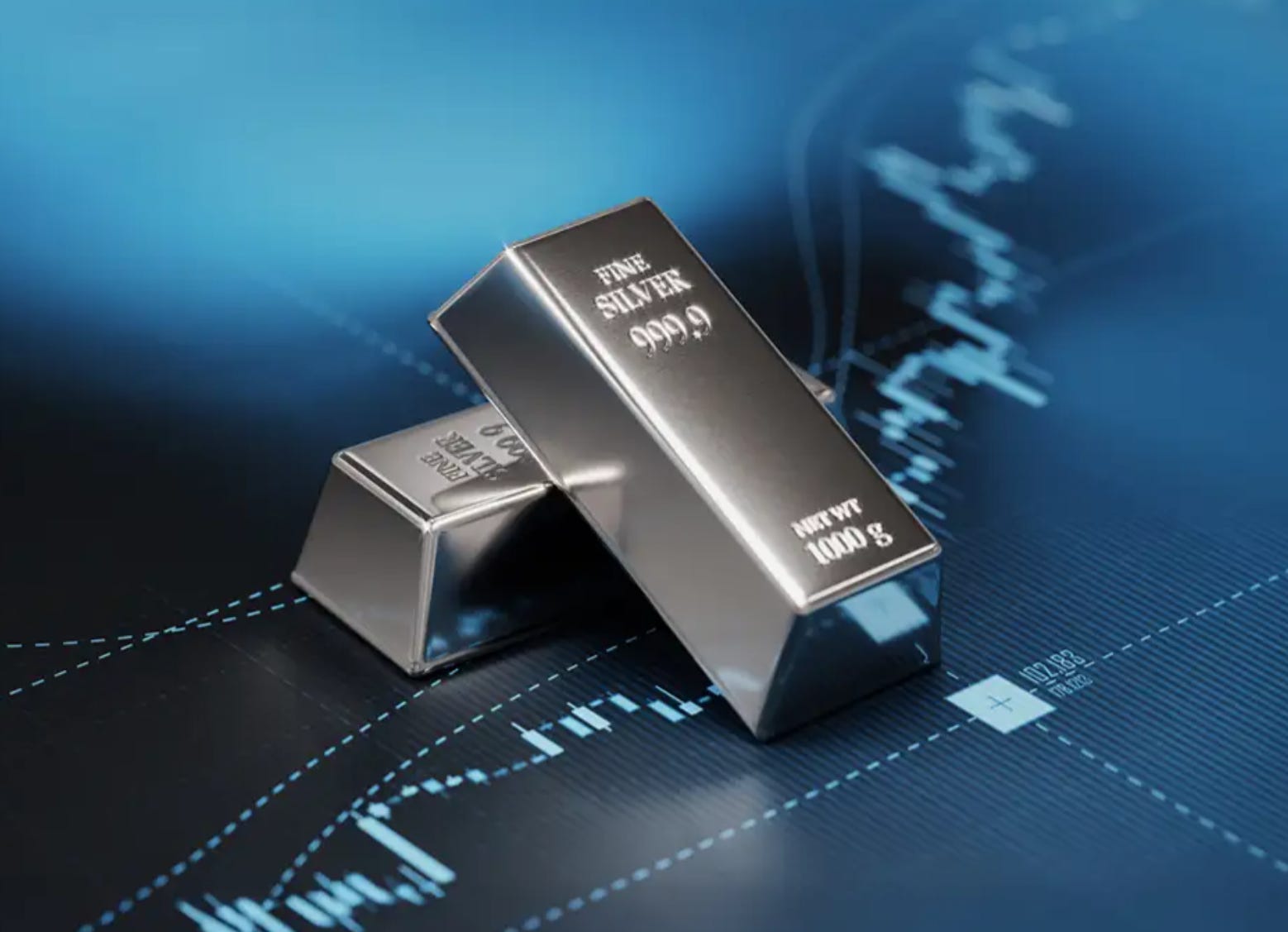
The “Byproduct” Revolution: The real magic of HZL lies in its “sludge.” Silver is found as a byproduct of zinc and lead mining. For years, silver was a nice “extra” on the balance sheet. Today, it is the primary driver of the company’s “sheen.”
HZL is now the 3rd largest silver producer in the world. Because the cost of mining is already covered by the Zinc and Lead operations, the cost of producing silver for HZL is effectively zero or even negative. This makes their silver business one of the highest-margin operations in the entire Indian corporate landscape.
As silver prices hit multi-year highs, driven by its use in solar photovoltaic cells and 5G technology, HZL has pivoted its narrative. It is no longer just a “Zinc company”; it is a “Silver powerhouse.” By maximizing the recovery of silver from its existing ore, HZL has created a massive bottom-line impact without the need for massive new capital expenditure. It is the ultimate “economy of scope” play.
3. NALCO: The Low-Cost Aluminum Fortress
National Aluminium Company (NALCO) used to be the quintessential “slow-moving PSU.” But the current global environment has played perfectly into its hands.
Aluminum production is an energy-intensive game; it is essentially “congealed electricity.” Historically, NALCO’s biggest advantage was its integrated model—it owns its bauxite mines and its own captive power plants.
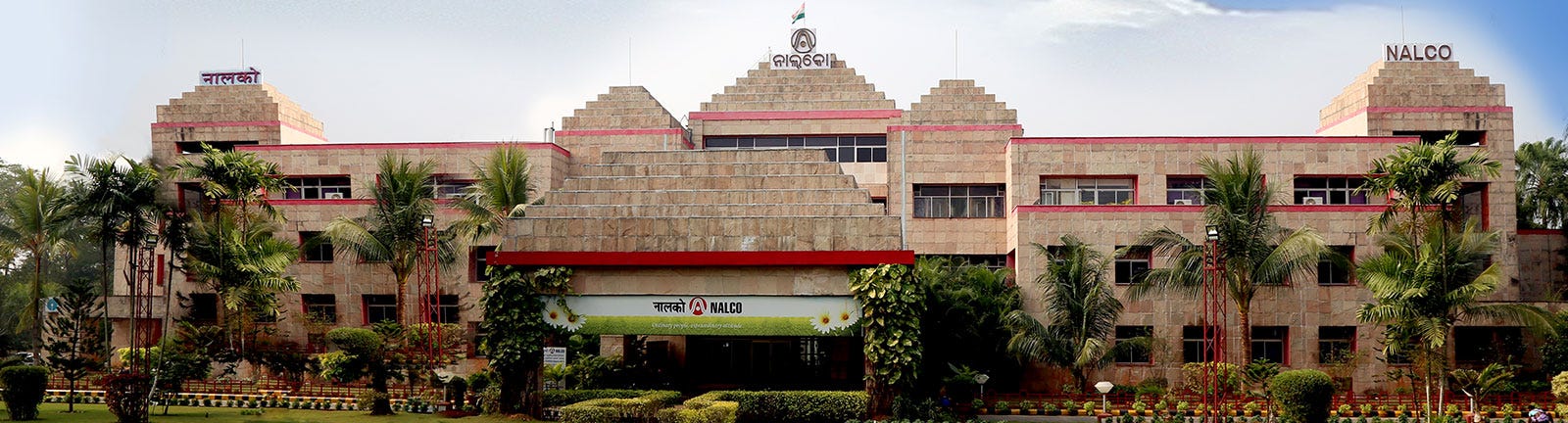
The Turnaround: In the previous decade, high coal prices and logistical bottlenecks made NALCO’s power plants a headache. However, with the recent focus on domestic coal production and NALCO’s operational efficiencies, it has become one of the lowest-cost producers of alumina and aluminum globally.
While the world struggles with high energy costs (especially in Europe, where smelters have shut down), NALCO has remained a steady, low-cost fortress. Furthermore, NALCO is now venturing into “Green Aluminum” and strategic mineral exploration (via the KABIL joint venture) for lithium and cobalt.
The market has rewarded this stability. For years, NALCO traded at a dismal Price-to-Earnings (P/E) ratio. Today, as aluminum is recognized as a “green metal” (due to its infinite recyclability and role in weight-reduction for EVs), NALCO is being re-valued as a crucial link in India’s industrial supply chain.
The Macro “Perfect Storm”
Why is this happening now? For decades, these companies were trapped in a cycle of “Value Destruction.” Three things changed:
- The End of the “China Glut”: For years, China overproduced metals and dumped them on the global market, keeping prices suppressed. Today, China is focusing on its own internal “Green” transition and has capped its smelting capacities, creating a supply floor for global prices.
- The India Infrastructure Push: Domestic demand for power cables, construction, and transport is at an all-time high. These companies no longer need to rely solely on volatile export markets; India is consuming everything they can dig up.
- The Financial Clean-up: Years of underperformance forced these companies to lean down. HCL and NALCO have significantly improved their debt profiles and operational efficiencies. They are “fitter” than they were during the last commodity boom in 2008.
Conclusion: From Dinosaurs to Decathletes
The narrative of “boring PSUs” is officially dead. Hindustan Copper, Hindustan Zinc, and NALCO have proved that with the right macro-economic tailwinds and a focus on high-margin byproducts (like silver) or strategic expansions (like HCL’s mine revivals), even the oldest companies can learn new tricks.
For the investors, the lesson is clear: sometimes the most “modern” investment themes (like Green Energy) are best played through the most “ancient” companies. These three giants have spent decades in the wilderness, but the “Commodity Supercycle” has finally brought them home.
The stars have aligned, the mines are reopening, and the “Copper Age” is just beginning.
Disclaimer: I am not a registered SEBI Research Analyst and anything in the above article should not be construed as a recommendation. This should be read solely for education purposes.