
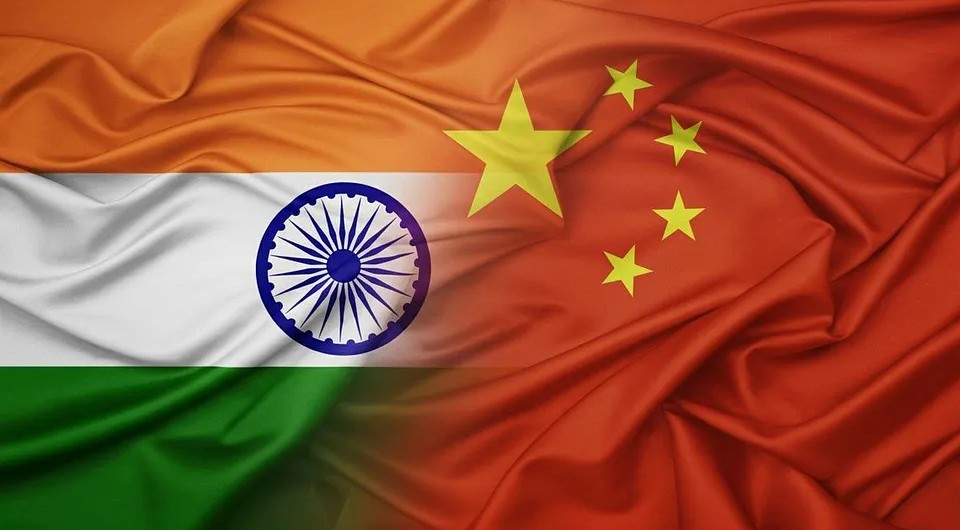
Who Gains the Most? And What’s the US Angle Here Now?
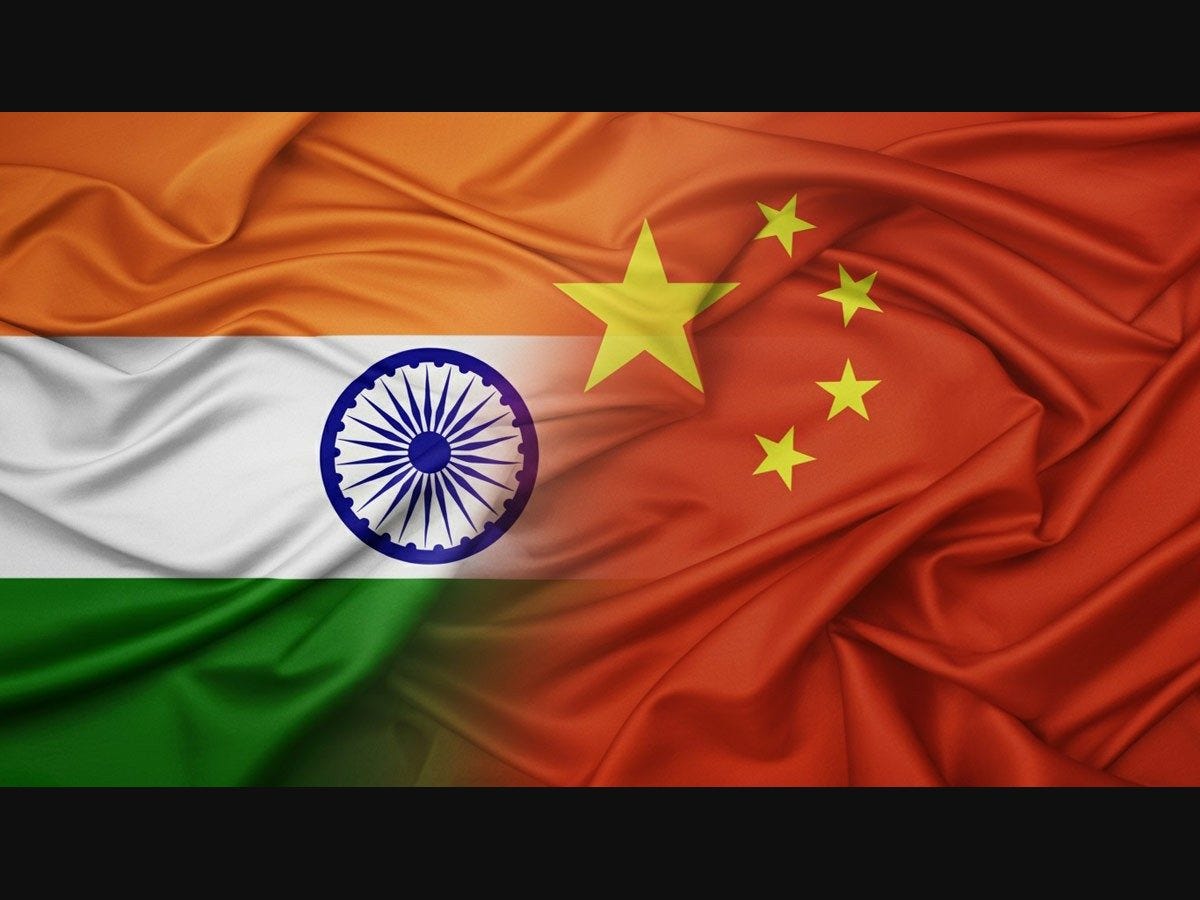
Chinese Foreign Minister Wang Yi has assured External Affairs Minister S. Jaishankar that China will resume critical supplies of fertilizers, rare earth minerals, and tunnel boring machines (TBMs) to India. This isn’t just diplomatic theater; it’s a massive economic shift happening right under our noses.
The Relationship: A Fragile Dance Between Two Giants
For centuries, India and China had deep cultural and trade ties. But after the 1962 war, the relationship has been defined by a mix of competition and cooperation.
The Conflict: The supply ban happened after the deadly Galwan Valley clashes in 2020. India responded with a strong “business as usual is over” message, banning hundreds of Chinese apps and restricting Chinese investments. China, in turn, used its economic leverage by cutting off key exports.
The Current State: The relationship is a high-stakes balancing act. India needs China’s goods, and China needs India’s market. China’s economy is slowing, and India represents a $3.7 trillion market. Cutting off supplies was hurting Chinese exporters more than helping Beijing’s strategic goals.
The recent meetings are a step towards finding a middle ground.
Let’s understand the real objective and impact from both ends.
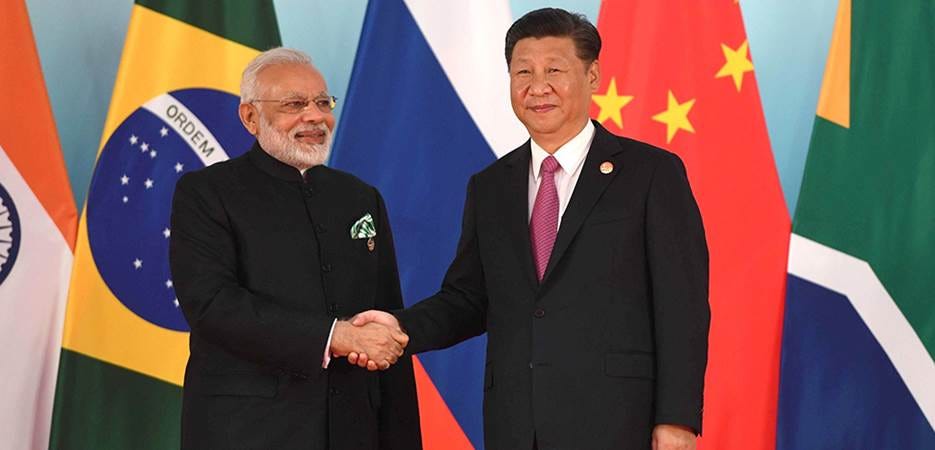
Why is China Suddenly Playing Nice?
Think of China as the biggest, most aggressive kid on the playground. They’ve been trying to corner the global market, and for a while, it seemed to be working. But now, they’ve got a problem: the U.S. under President Donald Trump, has started a trade war. Trump is slapping tariffs on both India and China.
So, China’s logic is simple: “The enemy of my enemy is my friend.” By mending fences with India, China creates a united front against the U.S. Resuming the supply of critical goods like fertilizers, rare earths, and TBMs is a calculated move to:
- Secure trade relationship with a massive, growing market – India is a huge importer, and China needs that business, especially with the U.S. becoming a less reliable partner.
- Prevent India from getting too cozy with the U.S. – By providing what India needs, China is trying to reduce India’s reliance on a potential U.S. alliance and keep a strategic balance in Asia.
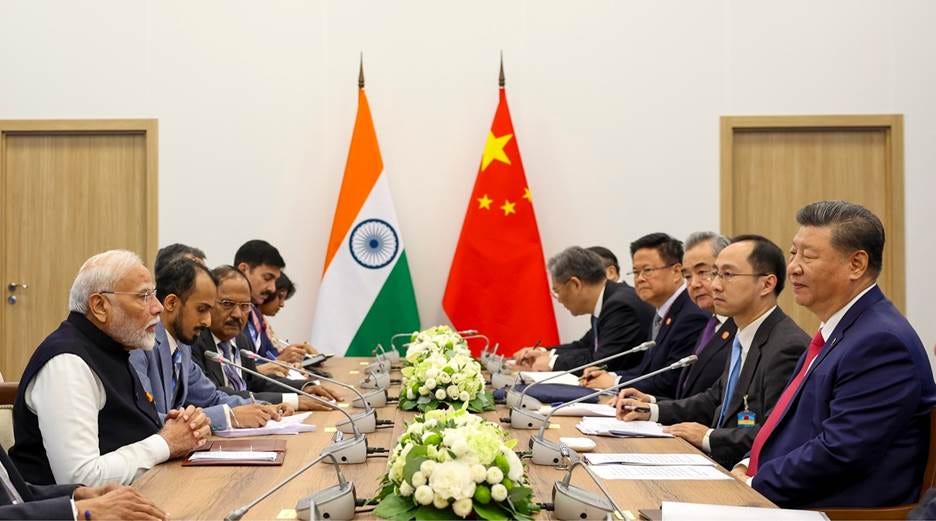
Why is India Getting Closer to China?
India is a pragmatic player. While the border tensions have been a huge issue (and will continue to be), the reality is that the Indian economy is deeply intertwined with China’s.
- Economic Necessity – India relies heavily on China for a huge range of imports. A big chunk of our fertilizers, the components for our electronics and cars (rare earths), and the massive machines building our metros and roads (TBMs) all come from China. The ban on these supplies was hurting Indian businesses, driving up costs, and slowing down infrastructure projects.
- Geopolitical Maneuvering: With Trump’s new tariffs on Indian goods, India also has a new motive to look for other partners. By normalizing ties with China, India can show the U.S. that it has other options and won’t be bullied into a one-sided alliance. It’s a classic case of strategic balancing.
- Maintaining Stability: The border disputes are a massive drain on resources and a constant source of tension. Both countries need to focus on economic growth, and an unstable border is bad for business. Easing tensions allows both governments to reallocate resources and focus on what matters most: their economies.
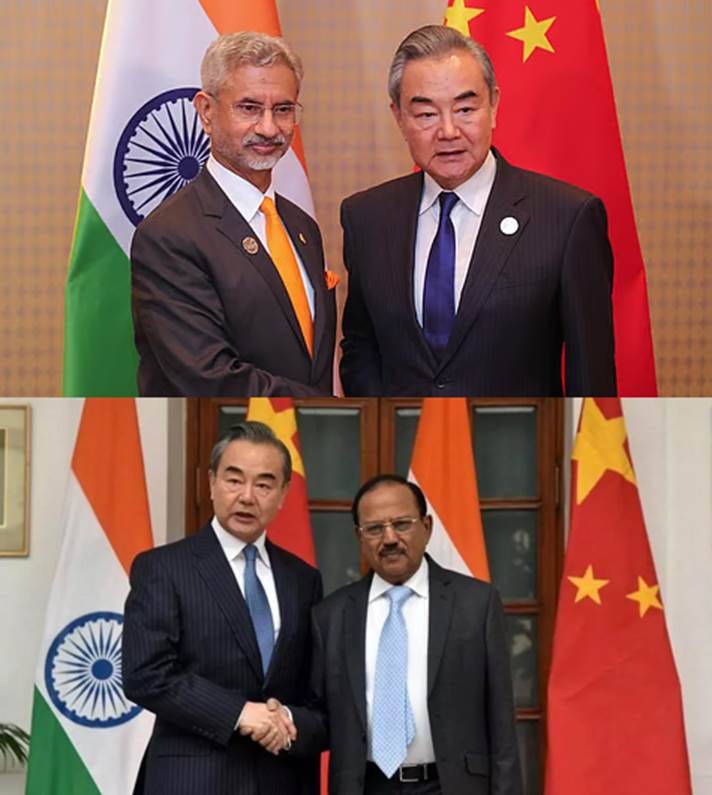
The Jaishankar-Doval Double Impact
External Affairs Minister, S Jaishankar: He’s the diplomat. His meeting with Chinese Foreign Minister Wang Yi was about setting the stage for economic and cultural normalization. He’s the one who gets the goods flowing again, talks about visas and trade, and generally smooths things over.
National Security Advisor, Ajit Doval: He’s the tough guy. His job is to talk about the border. He’s the one who will negotiate de-escalation, troop withdrawals, and the core security issues. This separation is key; it allows the economic and political sides to move forward without being bogged down by the complicated, and often slow-moving, military negotiations.
Having both Jaishankar (diplomacy) and Doval (security) involved signals this is a comprehensive reset, not just trade talks. When India’s top security official personally engages, it means we’re looking at long-term strategic partnerships, not quick fixes.
The Impact on the Indian Economy
Lowering Input Costs: This will have a multifold and multisector impact on the economy like
- Fertilizer companies: Companies that use imported fertilizers (like urea, DAP, NPK) will see their raw material costs come down, which can improve their profit margins. All the fertilizer stocks were reportedly on fire today post this news announcement.
- Infrastructure & Construction: Tunnel boring machines are crucial for building our metros, roads, and other large-scale projects. The resumption of TBM supplies will speed up projects, reduce costs, and potentially attract more investment.
- Automotive & Electronics: Rare earth minerals are essential for electric vehicles (EVs), smartphone batteries, and various high-tech components. A stable supply means better production predictability and lower costs for these industries.
Boosting Investor Sentiment: When two major nations are normalizing ties, it sends a positive signal to the market. It reduces geopolitical risk, which makes India a more attractive destination for foreign and domestic investors.
Potential for Trade Deficit Management: India has a massive trade deficit with China. While this deal might not change that immediately, a stable relationship opens the door for India to push for market access for its own goods, like pharmaceuticals and IT services, in the long run.
Which Sectors Could Benefit in the Future?
This is the real opportunity, and it could lead to ripple effects across various sectors indirectly, such as:
EV & Automotive Components: With a stable supply of rare earths, companies in the EV space will have a key advantage.
Electronics & Consumer Durables: The resumption of component imports will benefit companies that assemble or manufacture electronics in India.
Pharma & Chemicals: India is a major pharma hub, and it relies on China for a huge amount of its raw materials (APIs – Active Pharmaceutical Ingredients). A more stable relationship would benefit Indian pharma giants.
Logistics & Ports: As trade volumes increase, companies involved in shipping and logistics will benefit.
Summarizing, this is a signal that the two economic powerhouses are putting pragmatism over pure politics. It’s not a full-fledged friendship, but it’s a strategic de-escalation that will have real, tangible benefits for key sectors of the Indian economy. For the Indian economy, this move represents a critical de-risking of its supply chains and a potential acceleration of its infrastructure and manufacturing goals. As the geopolitical winds continue to shift, this renewed cooperation is a calculated and necessary step for both nations to secure their economic futures.
Disclaimer: I am not a registered SEBI Research Analyst and anything in the above article should not be construed as a recommendation. This should be read solely for education purposes.