
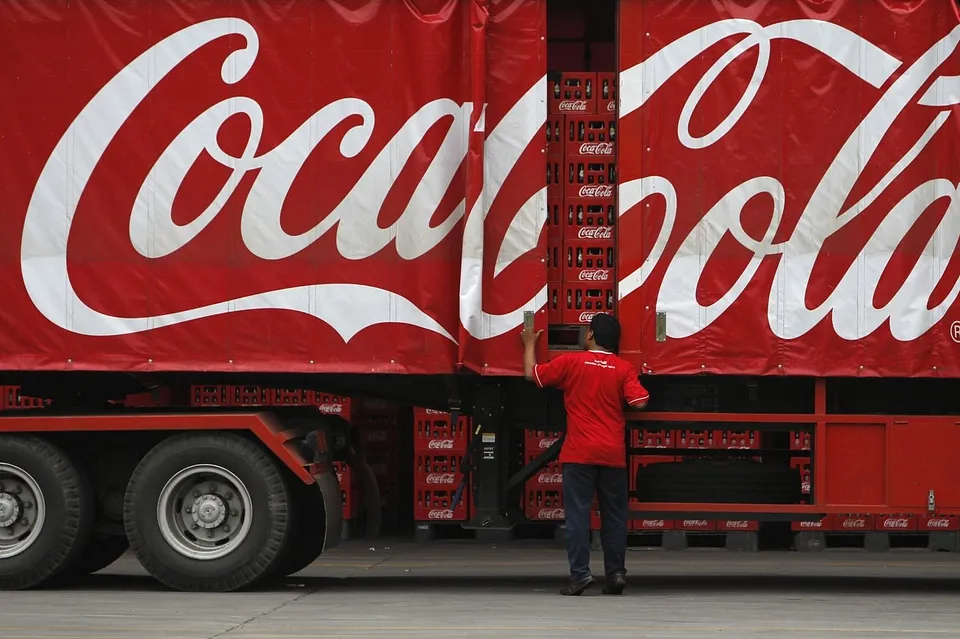
Its India’s Comeback Story
Coca-Cola is once again popping the cap on India, but this time, it’s not with a new drink—it’s with a stock market splash. 🥤
After the blockbuster IPOs of household names like Hyundai Motor India and LG Electronics India, another consumer giant is joining the party. Its bottling arm, Hindustan Coca-Cola Beverages (HCCB), is gearing up for a mega IPO that could raise around $1 billion, likely in 2026.
For investors, this is more than just another public offering. It’s the latest chapter in one of the most dramatic corporate sagas in Indian history—a story of a bitter exit, a triumphant return, and a bet on the unstoppable Indian consumer. Let’s decode the journey.
🧾 1977: The Great Indian Exit — When Coke Chose its Secret Over the Market
To understand the significance of this IPO, we must rewind to a different India. Coca-Cola first set up shop here in the 1950s and quickly became a symbol of a modern, western lifestyle. But in 1977, they made a shocking decision: they packed their bags—and their legendary secret recipe—and left.
The culprit was the Foreign Exchange Regulation Act (FERA) of 1973. The law laid down two non-negotiable demands for foreign companies:
- Dilute your equity — reduce foreign ownership to 40%.
- Share your secret sauce — disclose proprietary technology and formulas.
For Coca-Cola, this was an impossible choice. The company’s crown jewel wasn’t just its brand; it was the “Merchandise 7X” formula—a secret guarded more fiercely than state secrets.
Rather than dilute control or reveal its syrup, it chose to exit India entirely.
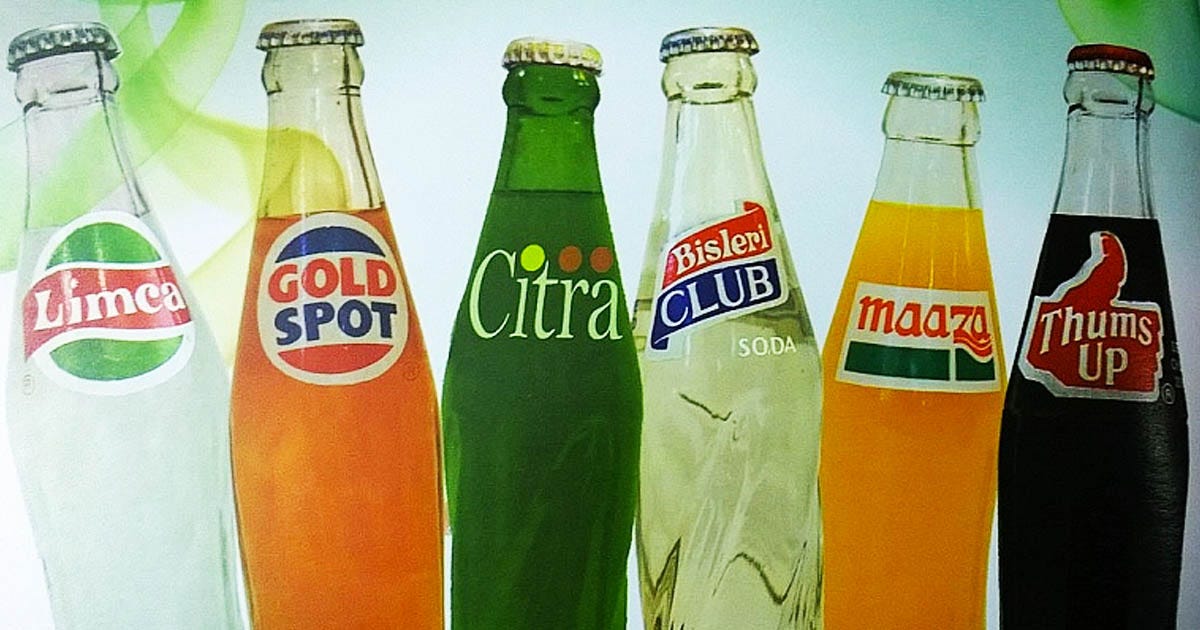
This created a vacuum that was swiftly filled by homegrown heroes. Ramesh Chauhan’s Parle launched Thums Up. Pure Drinks pushed Campa Cola, and there was Gold Spot for the orange soda lovers. For an entire generation, these were the taste of India.
🔁 1993: The Grand Re-entry — The Swallow That Conquered
India’s economic liberalization in 1991 opened the doors again. In 1993, Coca-Cola returned, and it did so not as a humble entrant, but as a conqueror. In a move of sheer strategic genius, it didn’t just reintroduce its global brands; it acquired the very brands that had replaced it—Thums Up, Limca, and Maaza—from Parle for a reported $60 million.
This was a masterstroke. Instead of fighting the established local favorites, it owned them. Today, Thums Up remains a dominant player in the cola segment, and Maaza is one of the largest juice brands in the world.
The Relationships between The Coca-Cola Company
1. The Coca-Cola Company (TCCC) / US Headquarters: The Owner & Brand Master
TCCC, headquartered in Atlanta, US, is the ultimate parent company and the core of the entire system. Its primary function is to maintain a high-margin, asset-light business model focused on intellectual property.
- Role: Owner of all global beverage brands (Coca-Cola, Sprite, Fanta, Thums Up, Maaza, etc.), the secret formulas, and the concentrate/syrup.
- Business Model: TCCC manufactures the high-margin syrup or concentrate and sells it to its various bottling partners around the world, including HCCB.
- Revenue: Earns revenue primarily from selling concentrate to bottlers and licensing/franchise fees. It is the least capital-intensive part of the business.
2. Coca-Cola India Pvt. Ltd. (CCI): The Local Strategy & Marketing Hub
Coca-Cola India is the local operating unit and strategic office of TCCC. It manages the brands, marketing, and the overall business relationship with the bottlers in the country.
- Role: Develops the local marketing, advertising, and brand strategy (e.g., launching new products, running campaigns, pricing guidance).
- Relationship with TCCC: It is a subsidiary or operating unit of The Coca-Cola Company.
- Relationship with HCCB: It sets the commercial terms and provides the concentrate to HCCB (and other franchise bottlers) to be mixed, bottled, and distributed. It essentially acts as the intermediary between the global parent and the local production arm.
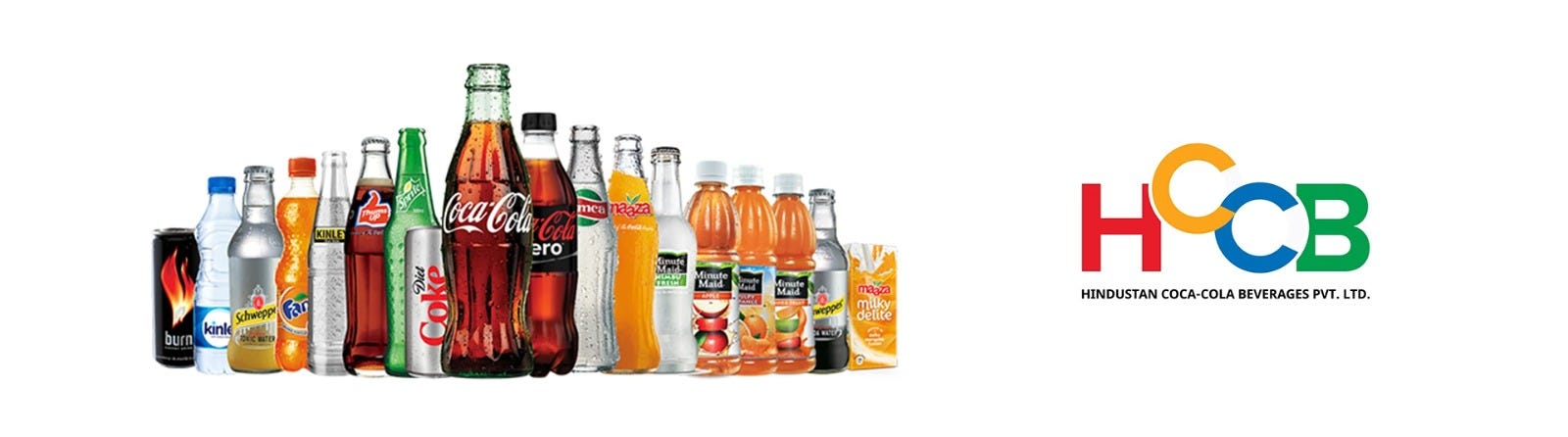
3. Hindustan Coca-Cola Beverages (HCCB): The Manufacturer & Distributor
HCCB is one of the largest bottling partners within the Coca-Cola system in India. It is responsible for the capital-intensive aspects of the business.
- Role: The bottler, manufacturer, and key distributor. HCCB takes the concentrate purchased from Coca-Cola India, mixes it with carbonated water/other ingredients, packages it (bottles, cans), and manages the complex, large-scale distribution network to over 2 million retailers.
- Historical Ownership: Historically, HCCB was a wholly-owned (or majority-owned) subsidiary of The Coca-Cola Company. This is a crucial distinction, as TCCC is now moving away from this direct ownership (the “asset-light” strategy).
Why HCCB is Choosing IPO Now: The 7-Point Strategic Rationale
The decision to list Hindustan Coca-Cola Beverages (HCCB) is a masterclass in corporate timing and strategy. It’s not a random fundraising effort but a calculated move to harness India’s economic momentum and transform its own business model. Here are the seven core reasons driving this mega-IPO.
1. Fueling the Indian Growth Engine with Public Capital
India is no longer just an emerging market for Coca-Cola; it’s a critical growth engine, ranking among its top five global markets. The country’s beverage consumption is on a stratospheric trajectory, driven by:
- A growing middle class with rising disposable incomes.
- A massive youth demographic (over 400 million under 25).
- Per capita consumption of packaged beverages that is still just one-tenth of developed markets.
To capture this once-in-a-generation opportunity, HCCB needs a massive war chest. The IPO will provide the capital required for:
- Building new factories and expanding existing ones.
- Installing millions of coolers across retail touchpoints.
- Upgrading its supply chain and distribution fleet.
This allows HCCB to fund an aggressive growth cycle without straining the parent company’s balance sheet.
2. Unlocking the “India Premium” Valuation
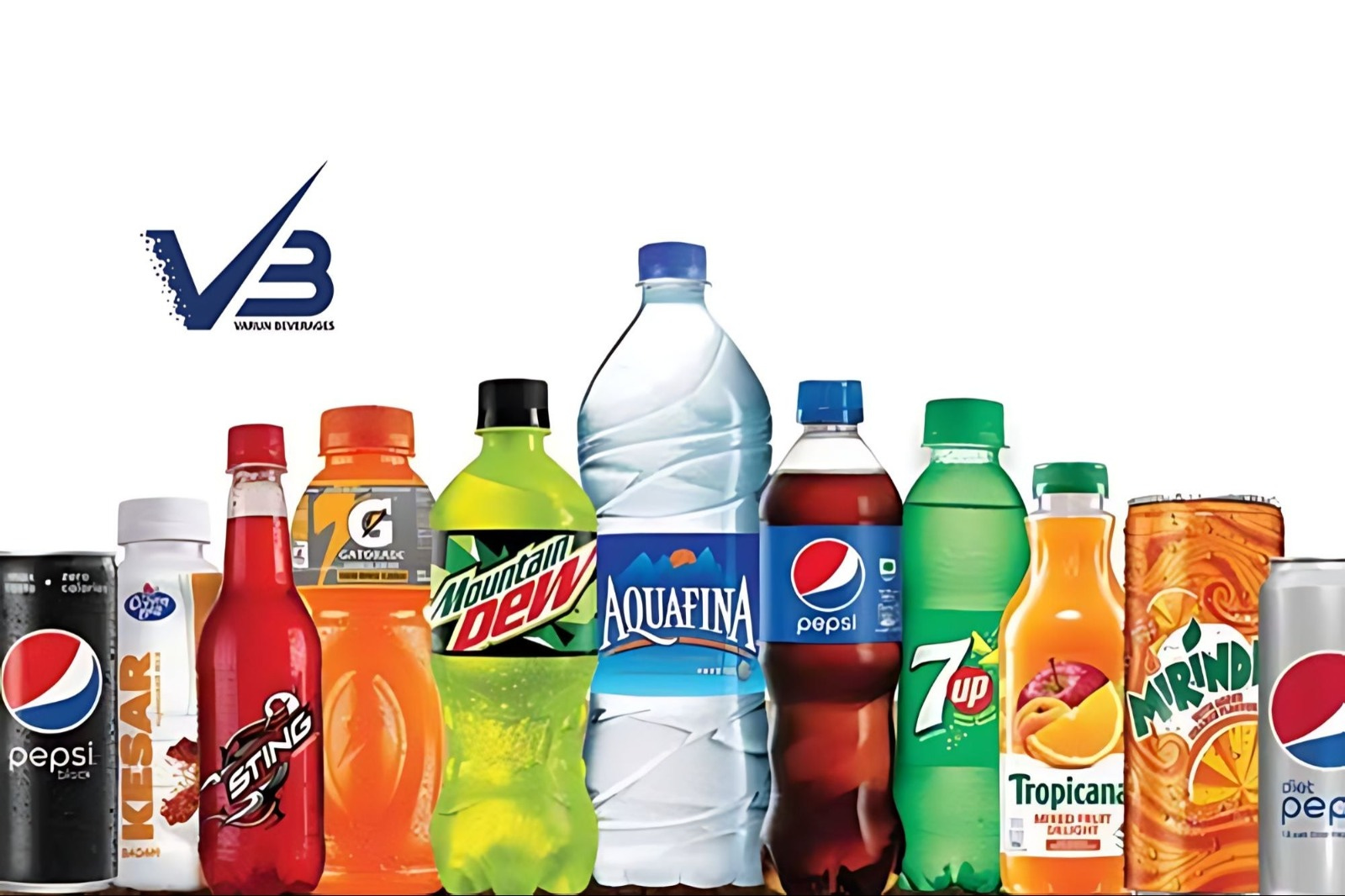
Global corporations have taken note: Indian markets are assigning premium valuations to high-quality consumer stocks with clear growth narratives. The stellar performance of Varun Beverages (PepsiCo’s bottler) has shown this clearly.
By listing HCCB, The Coca-Cola Company (TCCC) aims to unlock this “India Premium.” A standalone, listed Indian entity can command a higher valuation multiple than TCCC’s own stock on the NYSE, which is valued as a mature, global giant. The proposed ~$10 billion valuation for HCCB is a direct play to capitalize on this valuation arbitrage.
3. The Global Shift to an Asset-Light Model
Coca-Cola is following a proven global playbook by spinning off its capital-intensive bottling operations. This “asset-light” strategy has been successfully adopted by other giants:
- PepsiCo pioneered this with Varun Beverages.
- McDonald’s reduced company-operated locations to under 5%.
- Starbucks divested company-operated stores to franchisees.
Why this model wins: It frees up immense capital, improves Return on Invested Capital (ROIC), and allows the parent company to focus on its core competency: brand building and marketing concentrates. The IPO is the final step in refranchising HCCB, making it a more agile, locally-managed operation.
4. The Ultimate “Going Local” Gambit
Coca-Cola learned a hard lesson from its 1977 exit, which was forced by India’s Foreign Exchange Regulation Act (FERA). This time, it’s proactively embedding itself into the Indian fabric. Listing HCCB on Indian stock exchanges is the ultimate statement of being an “Indian company.”
This move follows the recent strategic sale stake in its holding company to the Jubilant Bhartia Group (the force behind Domino’s India). A local partner brings invaluable expertise in navigating India’s complex retail landscape and strengthens political and regulatory goodwill, mitigating future risks.
5. Creating a Strategic Currency for Acquisitions and Talent
A publicly listed company has a powerful tool: its own stock. A successful IPO gives HCCB:
- An Acquisition Currency: It can use its shares to acquire smaller regional brands, distribution networks, or even tech startups focused on supply chain logistics.
- A Talent Magnet: It can offer Employee Stock Ownership Plans (ESOPs), which are crucial for attracting and retaining top-tier Indian management talent in a competitive market.
This financial flexibility is vital for staying ahead in a dynamic market.
6. Winning the Last-Mile War in the Quick-Commerce Era
The rules of distribution have changed forever. With Blinkit and Zepto promising delivery in minutes, a hyper-efficient, tech-integrated supply chain is no longer a luxury—it’s a necessity. The modern trade channel is also expanding rapidly.
The IPO funds will be directed towards winning this “last-mile war” through:
- Advanced tech integration for demand forecasting and inventory management.
- Massive expansion of last-mile distribution hubs.
- Exclusive partnerships and cooler placements with quick-commerce platforms.
7. Fortifying Defenses in a Suddenly Competitive Arena
The cozy duopoly of Coca-Cola and Pepsi is facing disruption. The revival of Campa Cola by Mukesh Ambani’s Reliance was a wake-up call. Campa entered the market with aggressive pricing (₹20-30 per bottle vs. ₹40-50) and higher trade margins, directly targeting the mass market.
The IPO provides HCCB with the capital and agility needed to fight back. It can fund competitive pricing strategies, ramp up marketing spends, and accelerate distribution into rural and semi-urban areas where new competitors are trying to gain a foothold. It’s a defensive move to protect and solidify its market leadership.
Why VBL’s Success Matters for HCCB
Varun Beverages proved a crucial thesis: if a bottler is well-managed, has strong distribution, and operates in a growing category, public market investors will pay premium valuations. VBL’s execution demonstrated that bottlers can be compelling investment opportunities independent of their parent company.
Brand Breakdown by Category:
- Colas: Coca-Cola, Thums Up
- Flavored Drinks: Fanta, Limca, Maaza
- Juices: Minute Maid (premium), Maaza (value)
- Water: Kinley, SmartWater
- Sports Drinks: Minute Maid Active
- Plant-Based: Various emerging brands
Think about it: Thums Up alone is a ₹3,000+ crore brand that Coke acquired in 1993. These aren’t just product names; they’re cultural touchstones. A Gen-X Indian likely has memories of Thums Up’s “Taste of Thunder” or Limca’s lemon fizz.
VBL is often referred to as the benchmark for HCCB’s potential valuation. VBL’s stock has generated multi-bagger returns due to its aggressive market expansion, capacity addition, and the asset-light model where PepsiCo is happy to let VBL shoulder the manufacturing and distribution burden. The HCCB IPO offers Indian investors a chance to bet on the other half of the duopoly.
Full Circle Moment
Coca-Cola’s India journey has come full circle — from exit to empire.
What was once a cautionary tale of regulation is now a masterclass in reinvention.
The HCCB IPO isn’t just about raising money; it’s about raising a flag—one that says “we’re here to stay.”
With consumption soaring and competition fizzing, the real battle is for shelf space, not headlines.
And this time, Coca-Cola isn’t just selling a drink—it’s selling a stake in India’s growth story. 🥤
Disclaimer: I am not a registered SEBI Research Analyst and anything in the above article should not be construed as a recommendation. This should be read solely for education purposes.