US Supreme Court dismisses Trump’s Tariffs
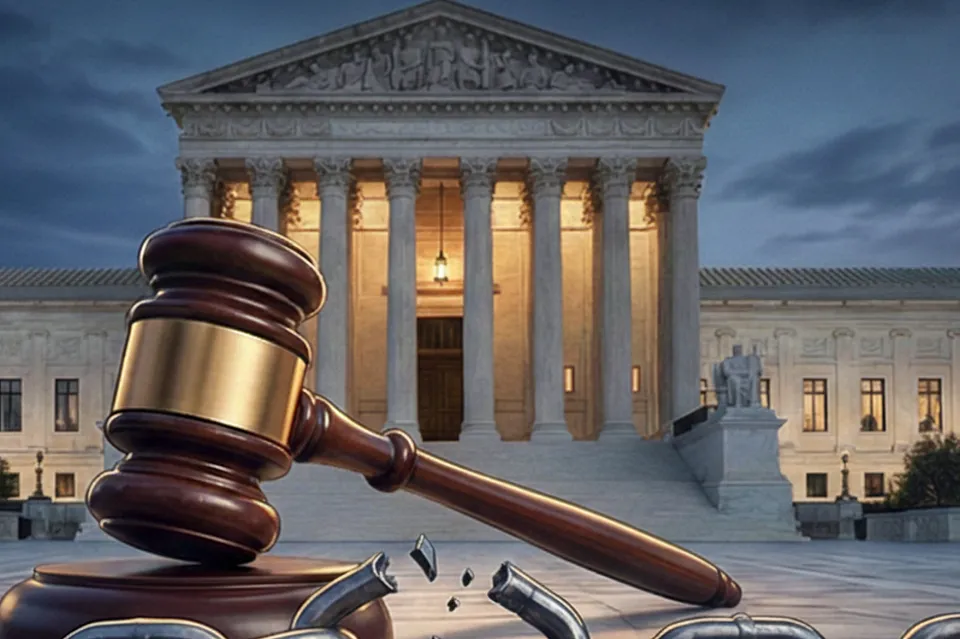
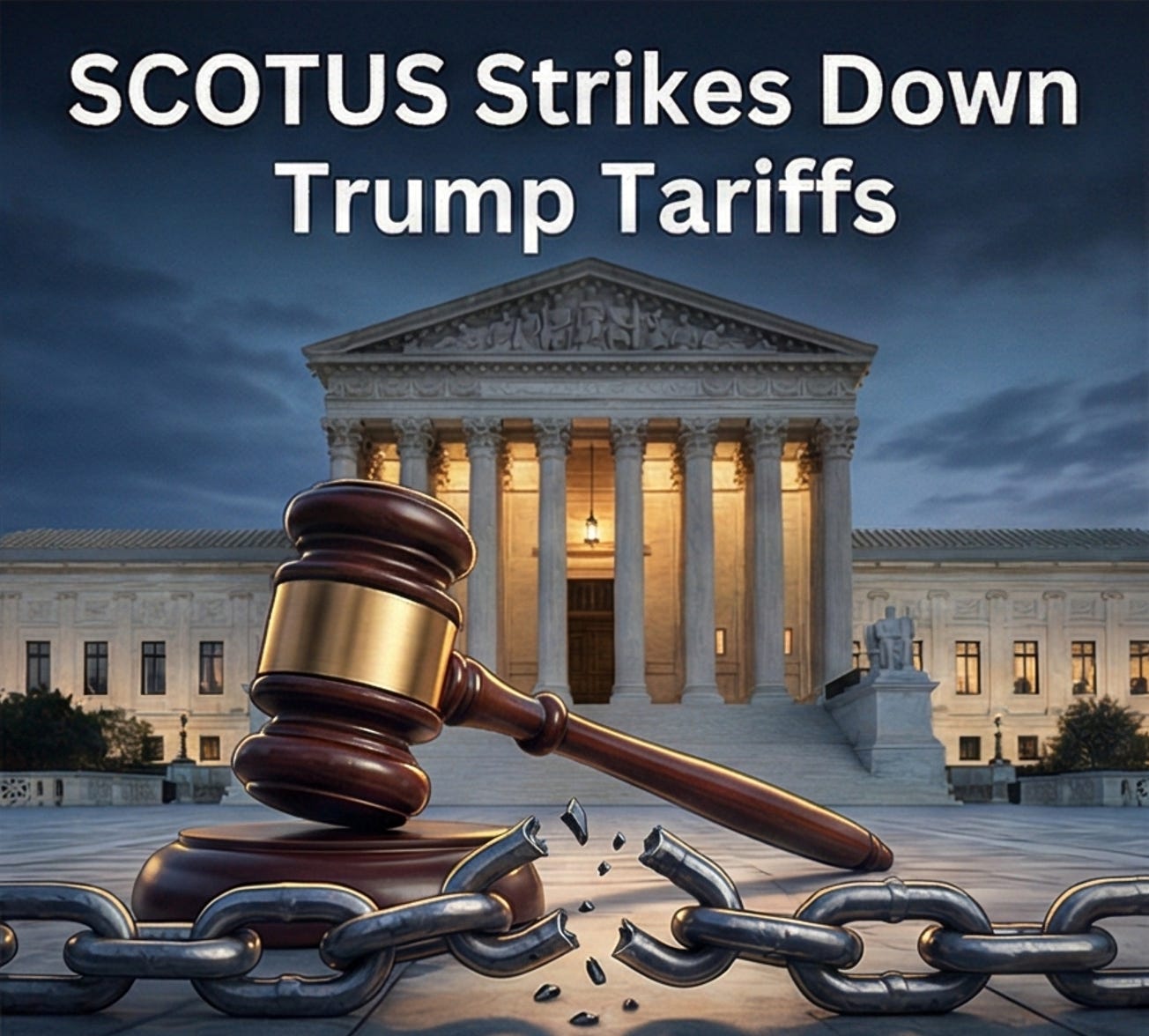
Yesterday, February 20th, 2026, the United States Supreme Court did something many thought impossible in the current political climate: it fundamentally dismantled the primary weapon of the Trump administration’s global trade war.
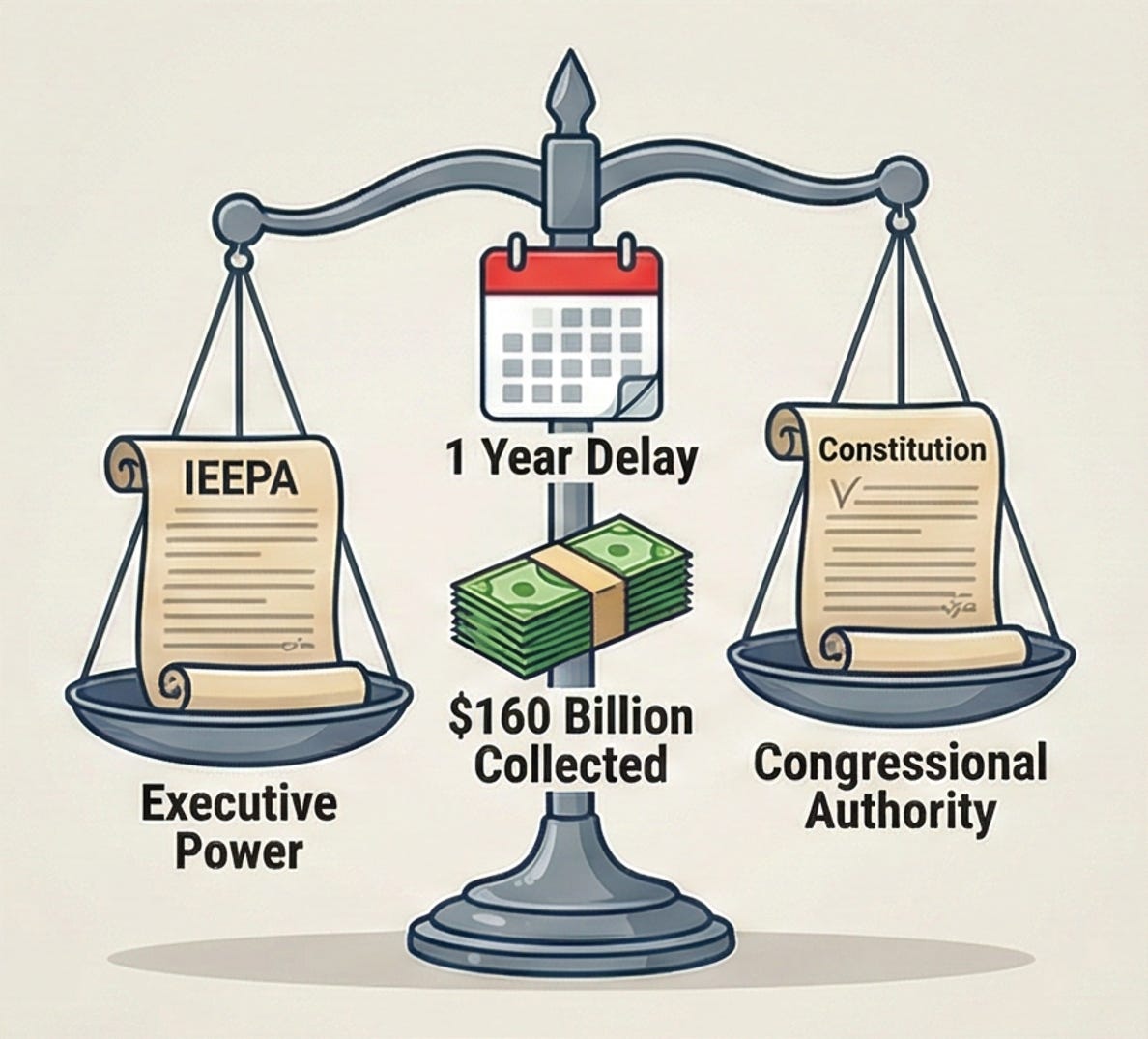
In a 6–3 decision, the Court ruled that the sweeping global tariffs imposed under the International Emergency Economic Powers Act (IEEPA) were unconstitutional. Chief Justice John Roberts, writing for the majority, delivered a masterclass in constitutional law, reminding the Executive branch of a simple truth: The power to tax belongs to the people’s representatives in Congress, not a single man in the Oval Office.
The Backstory: How We Got Here
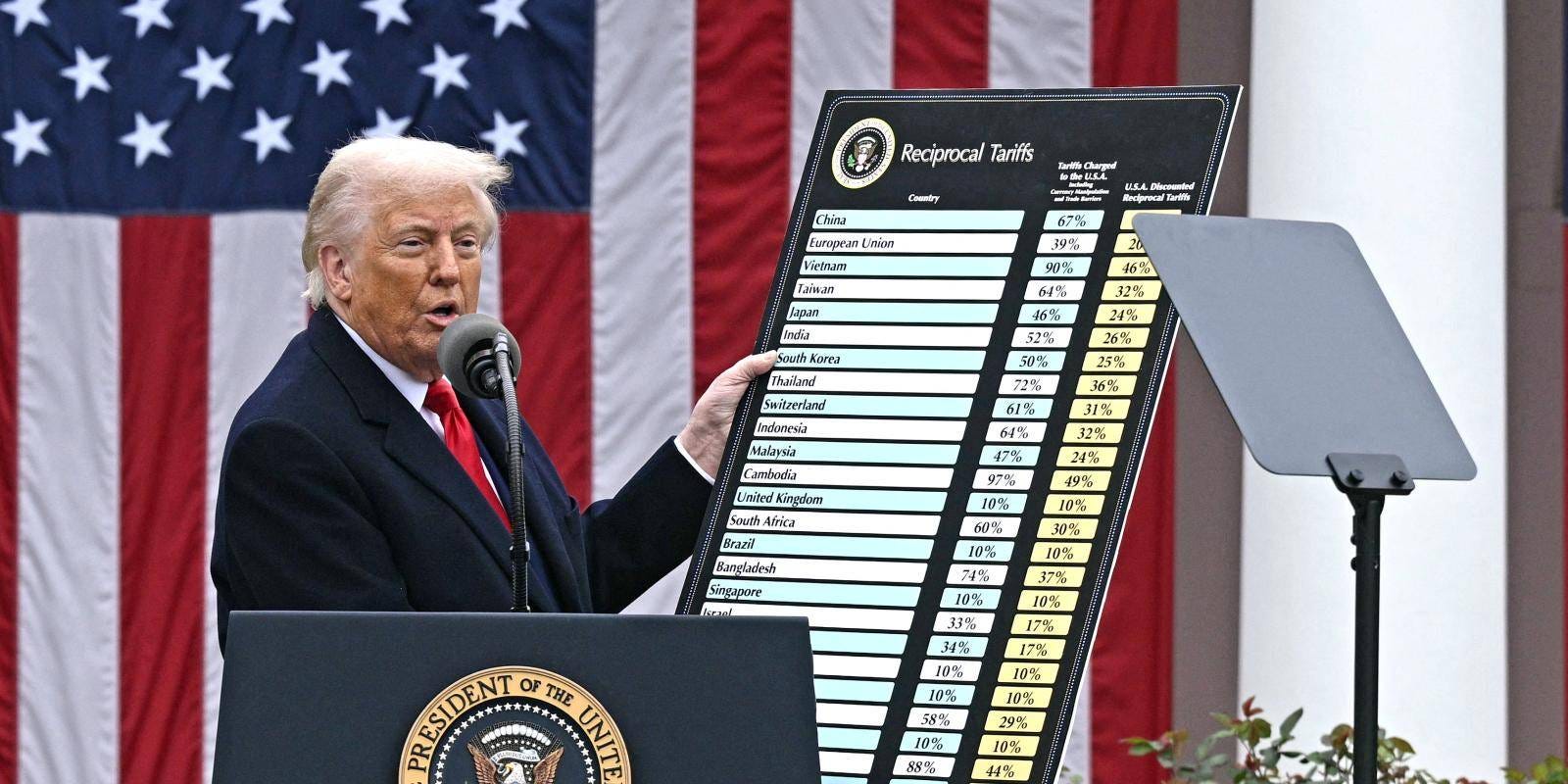
For nearly a year, global markets have lived under the shadow of “Liberation Day” tariffs. In April 2025, the administration invoked the IEEPA, a law traditionally used to freeze the assets of terrorists or sanctioned regimes, to declare a “national emergency” over US trade deficits.
By framing a trade deficit as a national emergency, the President bypassed Congress to slap 10% to 50% duties on almost everything coming into America. It was a brilliant, even if legally aggressive, shortcut. But as of yesterday, the Supreme Court has ruled that this shortcut was actually a dead end.
Why the Court Struck Back (And Why It Took So Long)
The majority opinion was clear: IEEPA was never intended to be a “blank check” for taxation. If the President wants to tax the American consumer (which is what a tariff ultimately does), he must ask Congress.
Many ask why the Court took nearly a year to decide. The delay was largely due to the “Stay of Execution.” Last year, the Court allowed the government to continue collecting these duties (over $160 Billion so far) while the case moved through the appellate system. They wanted a definitive, combined ruling that would settle the limits of executive power once and for all.
What makes this ruling particularly stinging for the White House is the “betrayal” within. Two of the President’s own appointees, Justices Gorsuch and Barrett, sided with the liberal wing. In a fiery press conference just nine hours ago, the President called the ruling a “disgrace” and signaled he is already looking for the next option.
The Trump “Plan B”: The 150-Day Counter-Attack
If you thought this ruling meant the trade war was over, you haven’t been paying attention to Donald Trump. Within hours of the verdict, from the Oval Office, he signed an executive order invoking Section 122 of the Trade Act of 1974.
This is a “break glass in case of emergency” law that allows the President to impose a temporary upto 15% global tariff for 150 days (Trump chose to impose a lower 10%) to address balance-of-payment problems. It has never been used on this scale before.
But here is the catch: Section 122 is a temporary bandage. It buys the administration five months to do what the Supreme Court says they should have done in the first place, i.e., conduct formal investigations under Section 232 (National Security) and Section 301 (Unfair Trade Practices).
The $160 Billion Refund Mess
For businesses, the biggest question isn’t what happens next, but what happens to the money already paid. Since April 2025, the US government has collected an estimated $160 Billion in IEEPA-based tariffs.
The Court was silent on refunds, but the legal floodgates are now open. Large-scale importers like Costco and major Indian pharma players are already lining up. Justice Kavanaugh, in his dissent, called the potential refund process a “logistical mess.” If the US Treasury is forced to pay back $160 Billion, it could trigger a fiscal shortfall that might require even more debt issuance, potentially pushing up US bond yields.
Understanding Section 232 (National Security)
As said earlier, Trump also now has option to invoke Section 232. What is that?
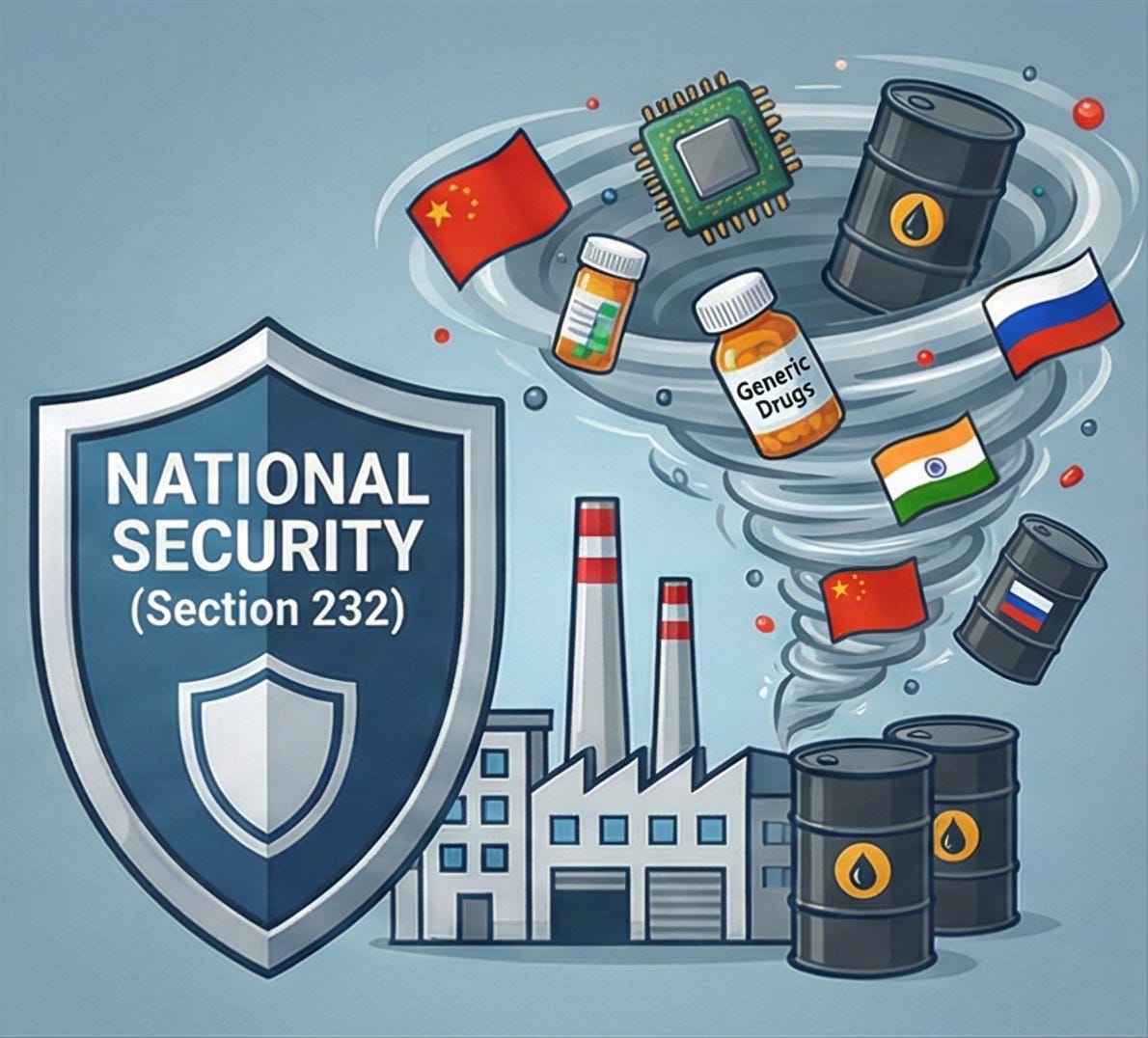
When the US invokes “National Security” (Section 232), they aren’t trying to prove they don’t need a product, they are proving that depending on others for it makes them vulnerable.
In the world of geopolitics, Dependence = Weakness. The “National Security” argument is that if the US cannot produce its own essential goods, a foreign adversary (or even a disgruntled ally) could “turn off the tap” and paralyze the country. The goal of the tariff is to make imported goods so expensive that it becomes profitable to build factories back in the US.
Generic Global Examples:
- Semiconductors (Taiwan): If China were to blockade Taiwan, the US military and economy would grind to a halt. Proving this “dependency” allows the US to tax foreign chips to subsidize domestic plants (like Intel or TSMC’s Arizona plant).
- Critical Minerals (China): China controls roughly 80% of the world’s rare earth processing. If the US can’t build EV batteries or fighter jets without China’s permission, that is a Tier-1 National Security threat.
- Energy (Russia/Europe): We saw this in 2022. Europe’s dependence on Russian gas was a security failure. Now, the US uses Section 232 to ensure it doesn’t become similarly dependent on any one region for “Green Energy” components.
In the case of Indian Drugs, the argument isn’t that they “don’t need them.” It’s that if 40% of US generic medicines come from India, and a global conflict or a pandemic-style export ban happens, the US healthcare system collapses. By “proving” this vulnerability, the US can justify a tariff to force Pharma production back to American soil.
Impact on India: The “Competitive Spread” Crisis
This is where the story gets tricky for Indian investors. On February 2nd, 2026, the Indian markets boomed because the US cut tariffs on Indian goods from 25% to 18%.
That 18% was a “sweet spot.” It was high enough to protect US interests, but significantly lower than the 19% to 25% being charged to India’s rivals like Vietnam, Bangladesh, and China. This 1-7% “spread” gave Indian exporters a massive pricing advantage.
The Leveling of the Field: The Supreme Court ruling has essentially “reset” the world to a baseline. With everyone now effectively moving toward a 10% floor under Section 122, India’s “special status” has been diluted. If everyone pays 10%, India no longer has that 7% competitive edge over rival Asian countries. For a market that priced in a “privileged trade status” three weeks ago, this leveling is a significant headwind.
The Timing & The Trade Deal: The timing is critical because the US-India Trade Deal signed earlier this month was still being “fine-tuned.” India had agreed to concessions (like lowering duties on US apples and medical equipment) specifically to keep that 18% rate while others stayed at higher %.
Now that the 25% threat is legally dead, the “carrot” the US was using is gone. Why should India give up market access for US dairy if the baseline for everyone is now 10% anyway? The negotiations are currently in a state of “suspended animation” as both sides scramble to see what the new “legal baseline” will be.
The Death of “Executive Uncertainty”
The most significant long-term impact isn’t the 10% or the 18%. It is the likely the death of uncertainty. The administration’s trade policy was built on the idea that the President could move markets with a single signature. The Supreme Court has reintroduced “The Process.”
For the global investor, this is a return to a more predictable, albeit still protectionist, world. The “Tariff Shock” has been replaced by “Tariff Bureaucracy.” However, it is too early to say this, as Trump would definitely try to bring in back up plans to keep his power. We all know him well by now, don’t we?
So, How Do We See Our Markets React on Monday?
GIFT Nifty was up 1.5%+ yesterday night (IST) as traders would have been pricing in a reduced 10% from 18%. But as the market digests the news over the weekend, investors will realize that India might have lost its “competitive spread.”
Markets will remain volatile over next few days to weeks, till this clarity comes in. Also, it will be interesting to see what happens in these 150 days while Trump tries to bring in Section 232 or Section 301 (or will he be unsuccessful?)
The trade war hasn’t ended; it has just moved from the battlefield to the courtroom.
Disclaimer: I am not a registered SEBI Research Analyst and anything in the above article should not be construed as a recommendation. This should be read solely for education purposes.